How Deposit Choices Guide Progression Paths in Mobile Casino Platforms
Written by Yves Simon · Sep 28, 2026

How Deposit Choices Guide Progression Paths in Mobile Casino Platforms
Data from multiple regions shows banking preferences directly influence how quickly users advance through loyalty tiers in mobile slots, table games, and sports betting applications, with transaction speed and verification timelines serving as key factors in reward unlocks.
Payment methods such as e-wallets, credit cards, bank transfers, and digital currencies each carry distinct processing characteristics that map onto tiered incentive structures, according to industry reports covering portable gaming ecosystems. Faster deposit confirmations allow players to meet wagering thresholds sooner, which in turn accelerates progression from basic to premium levels where multipliers and exclusive table access become available.
Transaction Speed and Tier Mechanics
Observers note that e-wallet transactions often complete within minutes, enabling immediate credit to mobile accounts and quicker accumulation of activity points required for advancement. In contrast, traditional bank transfers may require one to three business days for verification, delaying the start of the reward clock in many hybrid reel and table environments.
Research indicates that users who rely on instant methods encounter fewer interruptions when moving between slot sessions and live dealer tables, because their balances update without lag and maintain momentum toward tier milestones. This pattern holds across platforms where cross-format play counts toward unified advancement tracks.
Regional Data Patterns in September 2026
Figures released in September 2026 from North American and European markets reveal continued growth in mobile-first casino engagement, with payment channel selection correlating to higher average tier retention rates. Platforms that support multiple banking options report broader user distribution across loyalty levels, while those limited to slower methods show concentration at entry tiers.
Take the case of operators integrating real-time verification systems, where experts documented measurable increases in cross-format activity, including seamless switches from slot free spins to betting markets without balance delays interrupting progression.
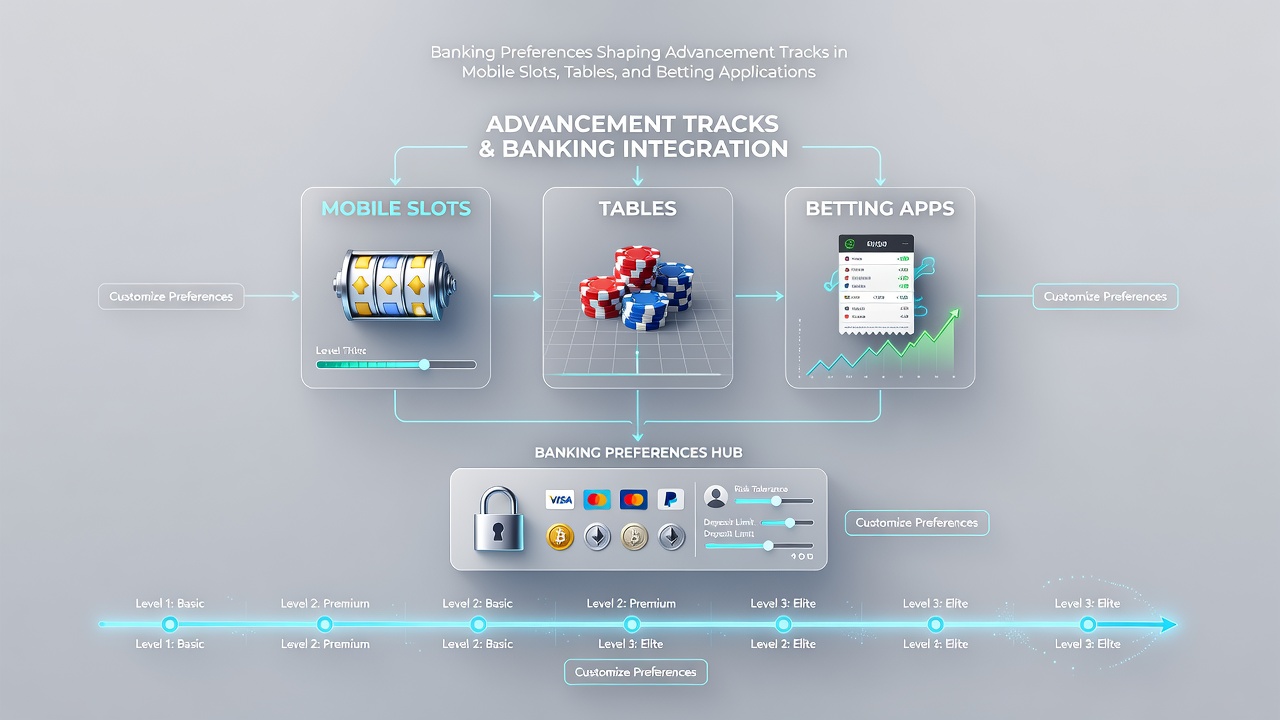
Impact Across Game Formats
Slots tend to reward volume of spins, so rapid deposit methods help users sustain longer sessions that contribute to daily and weekly advancement quotas. Table games, however, often tie rewards to time spent and bet size, meaning payment speed affects how soon players can enter higher-stakes environments that unlock exclusive benefits.
Betting applications add another layer, as live odds markets move quickly and require immediate funding to capitalize on opportunities that also feed into tier calculations. Those who select banking routes with built-in speed advantages encounter smoother navigation through these combined ecosystems.
Verification Timelines and Reward Layering
Studies from academic and regulatory sources highlight how deposit verification timelines align with layered incentive structures. Shorter verification windows allow users to activate bonus multipliers and loyalty boosts earlier in their session cycles, creating compounding effects on overall advancement speed.
One analysis covering multi-format mobile platforms found that e-wallet and certain digital asset transfers reduced average time to next-tier qualification by measurable margins compared with card or wire options, because fewer manual checks interrupted the flow from deposit to active play.
According to reports from the Australian Gambling Research Centre, payment innovation continues to reshape how operators structure tiered rewards, with data showing regional variations in preferred methods and corresponding advancement outcomes.
Industry Observations on Cross-Platform Effects
Industry organizations tracking portable casino trends report that banking preferences also influence retention once users reach mid-to-upper tiers. Players who experience consistent funding reliability across slots, tables, and betting options demonstrate higher continued engagement rates, because their chosen methods support uninterrupted movement between formats without repeated verification hurdles.
Yet variations persist by jurisdiction, with some markets favoring established card networks while others adopt newer wallet solutions that align with faster reward pathways. This geographic diversity shapes how advancement tracks evolve on a platform-by-platform basis.
Conclusion
Banking preferences continue to define the pace and accessibility of advancement tracks in mobile slots, tables, and betting applications through their direct effects on transaction speed and verification processes. Data collected through 2026 underscores these connections across multiple formats and regions, illustrating how payment channel selection integrates with reward layering systems to determine user progression. As platforms refine their offerings, the interplay between deposit methods and tier mechanics remains a measurable driver of engagement patterns in portable gaming environments.